
Policy Brief – MOSH & MOAH: The Emerging Food Safety Risk
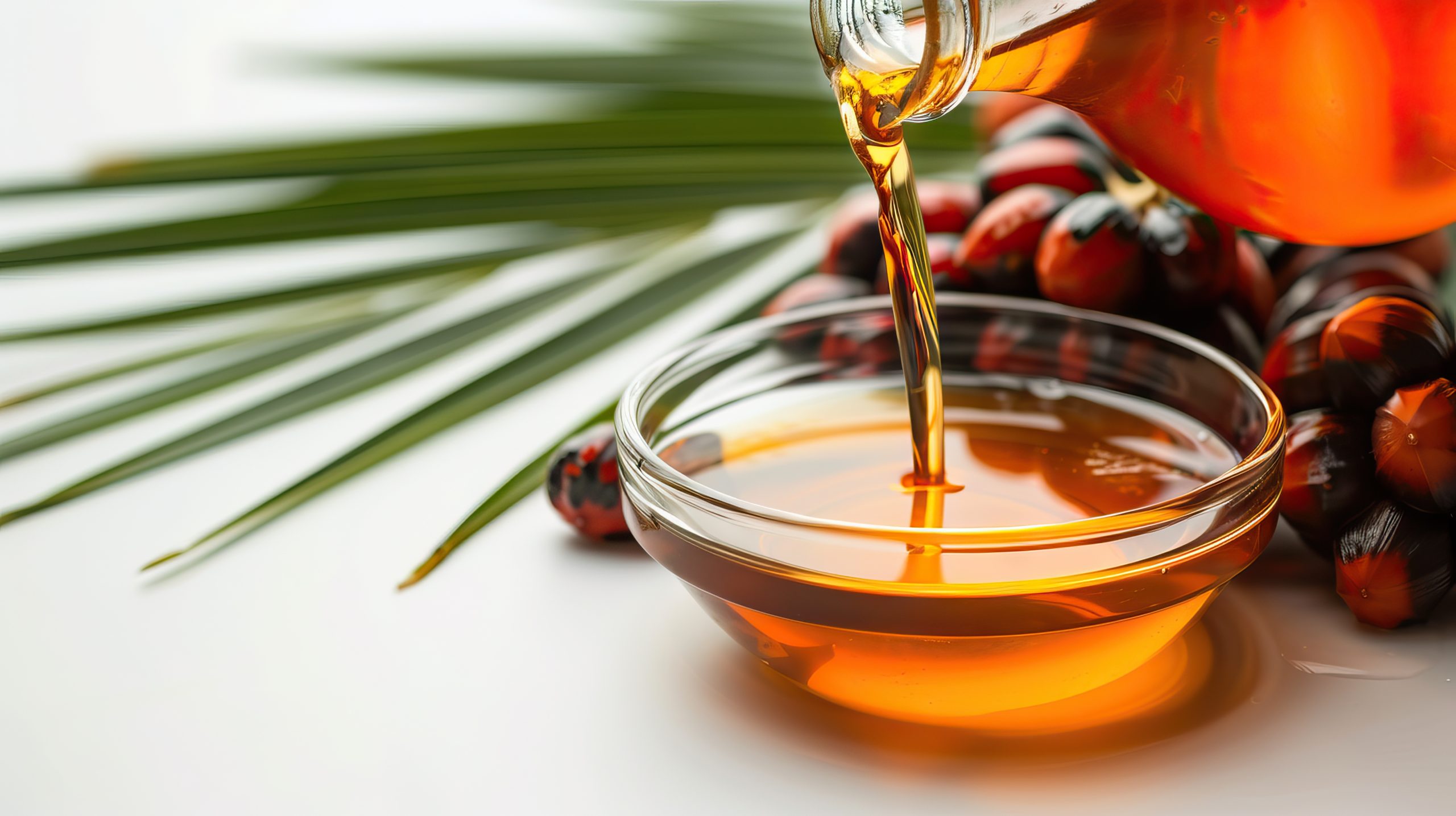
Everyday staples such as cooking oil, rice, cereal and infant food pass through extended supply chains before reaching consumers. Somewhere along that journey, trace amounts of mineral oils can migrate into these products. Known as Mineral Oil Hydrocarbons (MOH), these compounds are routinely found in food products and are found to give rise to potential health risks according to studies by the European Food Safety Authority (EFSA).
For businesses exporting food products to Europe, this is no longer a negligible concern. It is fast becoming a regulatory and commercial risk, one that conventional food safety audits alone may not be equipped to catch.
Why This Matters?
For over a decade, EFSA has raised concerns over Mineral Oil Aromatic Hydrocarbons (MOAH), certain compounds of which may be carcinogenic. To operationalise those efforts, the EU has steadily built regulatory momentum to address MOH contamination, and in March 2026, the EU notified a draft regulation [Commission Regulation amending Regulation (EU) 2023/915 (SANTE PLAN 2023-2345-Rev.10 – TEXT and ANNEX)] to introduce legally binding maximum levels for MOAH in food, with proposed application from 1 January 2027.
Key regulatory developments include:
- Draft regulation introducing legally binding maximum MOAH levels in food
- Coverage extending across oils and fats, cereals, cocoa products, spices, dairy products, infant foods and food supplements
- Growing supply chain expectations around MOSH & MOAH management

What This Means for Businesses?
Food operators exporting to the EU should expect to:
- Establish baseline testing for MOSH and MOAH in raw materials and finished products
- Review lubricant use, packaging materials and industrial asset conditions as potential contamination sources
- Strengthen root-cause investigation and corrective action processes
- Move beyond conventional food safety audits towards engineering-based inspection and laboratory testing

What the Full Policy Brief Covers
The full policy brief explores:
- Regulatory developments on MOH contamination
- Sources of MOH contamination across the supply chain
- Products affected by MOSH and MOAH contamination
- Industry responses
- Practical steps businesses should take through lab testing, industrial inspections and food safety certifications